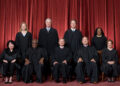
The United States Supreme Court (SCOTUS) is back in session, and a challenge to the constitutional legality of state-mandated residency requirements for cannabis operators is on the docket.
Peridot Tree, which is co-owned by Kenneth Gay, a resident of Michigan, and perennial cannabis regulation litigant Jeffrey Jensen, filed an appeal to SCOTUS on September 10, 2026, from the 9h Circuit Court of Appeals.
That appeal was officially docketed by SCOTUS on Sept. 15, which means it received the appeal and filed the associated paperwork. It does not guarantee that the appeal will receive a hearing or even be reviewed.
On average, petitions to SCOTUS take between two and five months before they are approved or rejected for review.
SCOTUS opened its 2026-2027 term on Oct. 5. SCOTUS terms begin on the first Monday in October and typically last until the end of June.
“The issue has arisen frequently in courts across the country and will continue to do so. States continue to enact discriminatory licensing laws that will spur future lawsuits. This petition is the ideal vehicle to resolve this circuit split because the consolidated cases raise a pure question of law, and no facts can resolve or moot it,” wrote Jensen in his 58-page petition to SCOTUS filed on September 10, 2026.
Jensen serves as attorney for Peridot Tree while also owning a stake in the company.

The appellate court previously ruled that residency requirements for cannabis operator licenses out of California and Washington did not violate the U.S. Constitution’s dormant Commerce Clause (DCC), but only because cannabis remains federally illegal.
This ruling conflicts with an August 12, 2025 decision from the Second Circuit Court of Appeals, which was filed by Jensen in New York, that DCC does apply to cannabis licensing.
Subsequently, the plaintiff’s filed for a rehearing en banc in the 9th Circuit, but the court denied them on April 13, 2026, leading to the submission to the SCOTUS.
Jensen has challenged residency in multiple venues
Jensen, who resides in Beverly Hills, Calif., has been battling state residency and social equity requirements for licensed operators over the last few years.
Aside from the cases out of New York, California and Washington, Jensen sued in Maryland and Rhode Island. The Maryland case made it to the Fourth Circuit Court of Appeals which ruled against Jensen, but did so while avoiding the constitutional question of residency requirements.
A much earlier ruling from the First Circuit Court of Appeals determined that Maine’s requirement that medical operators be residents of the state violated the DCC.
“It’s not just cannabis programs at issue, either. Many states have rules regarding who is allowed to purchase medical marijuana, or grow plants at home. A Peridot victory would presumably upend those restrictions as well,” wrote Attorney Vince Sliwoski of Harris Sliwoski.
He also noted that this analysis would still apply under a permanent move to Schedule III.
Other Federal Cases could reshape regulation
As the federal government continues its process of reconsidering the scheduling of cannabis, other court cases are continue reshaping federal cannabis regulation.
Just before the start of Summer, SCOTUS ruled that the use of cannabis was not sufficient to deny a citizen the right to bare arms.
Multiple cannabis operators are currently fighting the federal application of 280E, which prevent business from writing off business expenses when their business involves a Schedule I or Schedule II drug.
TerrAscend is currently defending claims from the U.S. Department of Revenue that they wrongfully received tax refunds based on the argument that 280E should not apply to them. Ultra Health our of New Mexico faces a similar challenge.
Similarly, the Sixth Circuit reversed a $31.8 million collections judgment against Curaleaf on Sept. 10 based on the fact that cannabis remains illegal on the federal level, rendering contracts involving cannabis businesses unenforceable.